
This post is written by Lise Howe, Associate Broker at RLAH RE LLC in Chevy Chase. As an almost Washington native, I have grown up with these buildings and admired their timeless beauty. I love showing properties in each of these and always walk away with clients who are enchanted by the history and charm of these iconic buildings.
Choosing between the Westchester and the Broadmoor. If you are in the market for a new home in Washington DC, you might be considering a co-operative. If you’re drawn to classic architecture, full-service living, and a sense of history you simply can’t replicate in newer buildings, Washington, DC’s pre-war co-ops offer something special. Two of the most iconic are The Westchester on Cathedral Avenue and The Broadmoor on Connecticut Avenue. How do you choose between the two of them? While both deliver timeless charm and strong communities, they live very differently day-to-day—and choosing between them comes down to lifestyle.
Choosing Between The Westchester and The Broadmoor: A Tale of Two Lifestyles
Setting & Location
The first major difference is how each building sits within the city.
The Westchester is tucked away on Cathedral Avenue, surrounded by landscaped gardens and wooded grounds. It feels almost like a retreat—quiet, green, and removed from the hustle. For buyers who want a sense of calm just minutes from downtown, this setting is hard to beat. There are several other large co-ops and condo buildings in this part of Cathedral Avenue, such as the Cathedral Towers, Cathedral West Condominium, the Marlyn and the cooperative at 4101 Cathedral, all nestled against Glover Park.
The Broadmoor, by contrast, is right on Connecticut Avenue in the heart of it all. Restaurants, shops, and Metro access are just outside your door. If you want walkability and energy, the Broadmoor delivers in a way few co-ops of this size can.
👉 In short:
- Westchester = peaceful, park-like living
- Broadmoor = vibrant, urban convenience
Architecture & Character
Both buildings date back to the pre-war era, and you feel that immediately.
At The Westchester, the scale is grand. The buildings were constructed between 1929 and 1931 on one of the city’s highest points at 4000 Cathedral Ave.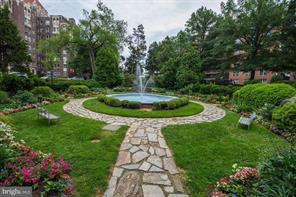 NW. Originally envisioned by developer Gustave Ring as the largest apartment complex south of New York City, the plan called for eight buildings over 28 acres, but the Great Depression halted construction. Only four buildings (with 556 units) were completed, leaving much of the landscaped site undeveloped.
The complex was designed by architect Harvey Warwick, Sr., in a mix of Neo-Georgian, Neo-Tudor, and Neo-Moorish styles, with limestone ornamentation and imposing brick facades. It was intended to be a luxury residential enclave, and today it remains one of Washington’s largest co-ops, housing over 500 apartments ranging from studios to four bedrooms.
As you come into the Westchester, be sure to admire the estate gates from the Copped Hall Trust in England. These grand gates remain a distinctive feature of the property. Three of the Westchester’s buildings are connected to one another. Long hallways, soaring ceilings, and a campus-like layout give it an almost estate feel. Many units feature classic details like parquet floors, built-ins, and generous room sizes. You not only need to keep track of the unit number but also the building, The four buildings are centered around a small sunken garden and a quiet drive from Cathedral to the rear of the community where you will find the final building in the complex, the separate Watson Place, which was built in 1960.
The Broadmoor leans into elegance with a slightly more intimate feel. You’ll still find high ceilings and architectural detail, but the building’s layout is more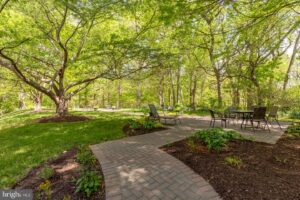 traditional and easier to navigate for those who prefer a less sprawling environment. It was completed in 1929 as part of the rapid expansion of the city north along Connecticut Avenue, a period when communities like Woodley Park were being developed and families were moving into the area. An early brochure described the building as the “home of prominent business executives, senators, representatives, Army and Navy officers, and of a select cross-section of official Washington.” Most of the apartments at The Broadmoor were available on long-term leases, but others were offered to hotel guests by the day or week. And the public facilities – most notably the dining room, known prior to 1938 as the “Silver Grill” – became a popular site for wedding receptions, school proms and other large social functions. Later the dining room became a popular Hungarian restaurant during the 1960s and 70s.
Originally a rental apartment building, The Broadmoor was designed by architect Joseph Abel and reflects a blend of Gothic Revival and Art Deco styles. It was completed just as the 1929 stock market crash hit, but it quickly became a prestigious address in Washington’s growing suburban landscape (back when it seemed there was nothing north of the area until you reached Chevy Chase.) The building was converted to a cooperative in 1948, aligning with a broader trend in Washington, DC, where cooperative housing became a stable alternative to traditional rentals or single-family ownership. Cooperatives allowed residents to share expenses and have a say in management, promoting community control and property stability.
The foyer and lobby areas contain an interesting mixture of different elements from different periods. The lobby, originally Tudor in style, was later changed to Art Deco in a substantial remodeling job undertaken in 1938-1939 . Fluted columns and recessed dome ceilings were added, as were Art Deco motifs, which can still be seen in the door and the wainscoting. During World War II, when housing in Washington was scarce, rooms and baths were built on the ground floor of each wing of the building, and alcoves near the elevators were closed in to create additional rooms.
There are 194 apartments in the building, which vary greatly in size and layout. There are also five guest rooms for use by guests of Broadmoor residents.
Amenities & Daily Living
This is where these two buildings really shine—and where subtle differences matter.
The Westchester offers
- On-site market with an extensive wine selection, valet, barber shop and hair salon.
- Fitness center
- Library
- Guest suites
- Ample green space and walking paths
- On-site parking options
- Space for a restaurant
- Frequent musical performances and book talks
It’s almost self-contained, which adds to its appeal for residents who value convenience without leaving the property.
The Broadmoor features:
- Front desk/concierge
- Fitness center
- Back patio and herb garden
- Guest suites
- Garage parking
- Activity rooms
- Bike Storage
- Community rooms, including the original Art Deco Bar and children’s toy area
- Easy access to neighborhood amenities such as shops, restaurants and services
The Broadmoor’s amenities are enhanced by what’s just outside—living here means your “amenities” extend into the surrounding neighborhood.
Buyer Profile: Who Each Building Fits Best
Over the years, I’ve found that buyers tend to gravitate strongly toward one or the other.
Choose The Westchester if you:
- Value quiet, green surroundings
- Prefer a retreat-like atmosphere
- Don’t mind being slightly removed from Metro and main corridors
- Appreciate a larger, campus-style community
Choose The Broadmoor if you:
- Want to step outside and be in the middle of everything
- Prioritize walkability and easy commuting
- Like a more compact, traditional building layout
- Enjoy an active, urban lifestyle
Investment & Value Considerations
Both co-ops are well-established and tend to hold value due to their reputations and unique offerings. However, they operate under co-op rules, which means board approval, financial requirements, and restrictions can differ from condos. For more information on the differences between co-ops and condos, just keep reading here!
In general:
- The Westchester often offers more square footage for the price
- The Broadmoor commands a premium for location and walkability
Understanding the co-op structure—and how it affects financing and resale—is critical before making a move.
Final Thoughts
You’re not just choosing a home—you’re choosing how you want to live.
The Westchester offers tranquility, space, and a retreat from the city.
The Broadmoor offers energy, convenience, and immediate access to everything DC has to offer.
Neither is “better”—but one will absolutely feel more like you.
If you’re considering a move to either The Westchester or The Broadmoor, I can help you evaluate not just the units—but the lifestyle, financials, and long-term value.
Reach out today for a private consultation or to schedule a tour. The right co-op—and the right strategy—makes all the difference.
FAQs
Are The Westchester and The Broadmoor condos or co-ops?
Both are co-operatives, meaning buyers purchase shares in a corporation rather than owning real property outright.
Which building is better for commuters?
The Broadmoor has the edge due to its location on Connecticut Avenue with easier access to Metro and bus lines.
Do both buildings have amenities?
Yes—both offer fitness centers and services, but The Westchester has more on-site retail while The Broadmoor benefits from its immediate neighborhood.
Is one more affordable than the other?
Generally, The Westchester offers more space for the price, while The Broadmoor commands higher prices due to its location.
Are co-ops harder to buy than condos?
They can be. Co-ops typically require board approval and have stricter financial requirements, so working with an experienced agent is essential.
Lise Howe is a nearly native Washingtonian with 38 years’ experience as an associate broker in DC, MD and Virginia. Consistently recognized by the Washingtonian Magazine as a top realtor, Lise is grateful for the opportunity to help buyers and sellers around the DC metro area achieve their real estate dreams. Her experience as a lawyer on behalf of the US Department of Energy has resulted in making her a dedicated advocate for her clients.